Yes!
Folk Data!
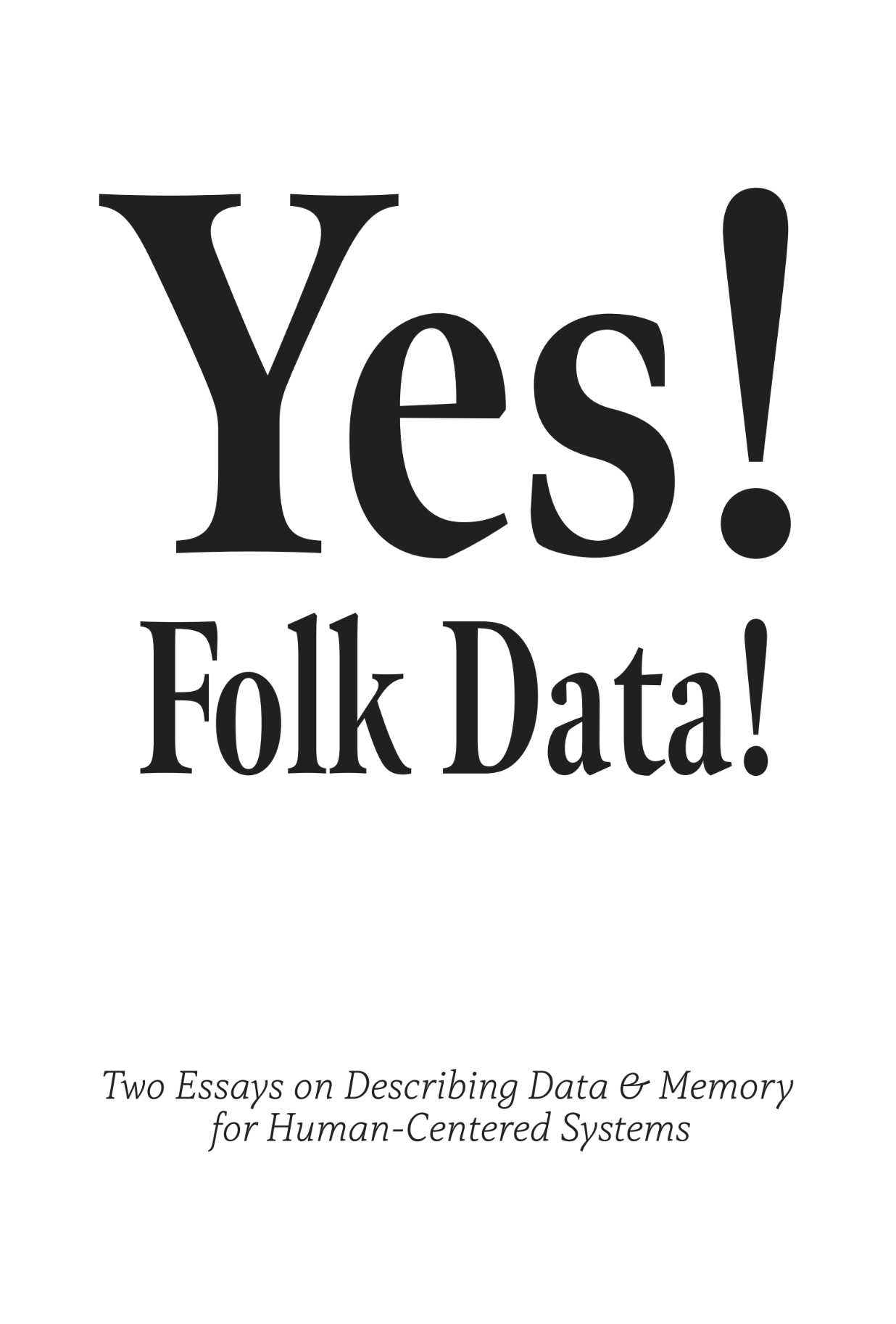
Yes! Folk Data! Two Essays on Describing Data & Memory for Human-Centered Systems is a zine and essay series published under the Nua Index Agency.
Folk data is a working ethos to cataloging digital assets across software and digital asset management systems. Inspired by critical cataloging, reparative archives, folksonomies, and community-inspired descriptions, this way of managing material is the backbone of what we do at Nua Index Agency.
All data, no matter how large, private, or systemic, is reflective of the people and regions it makes up. How we name and sort this data, is vital.
Publication Year
2025
Designed by
Finn Holtz
70 copies
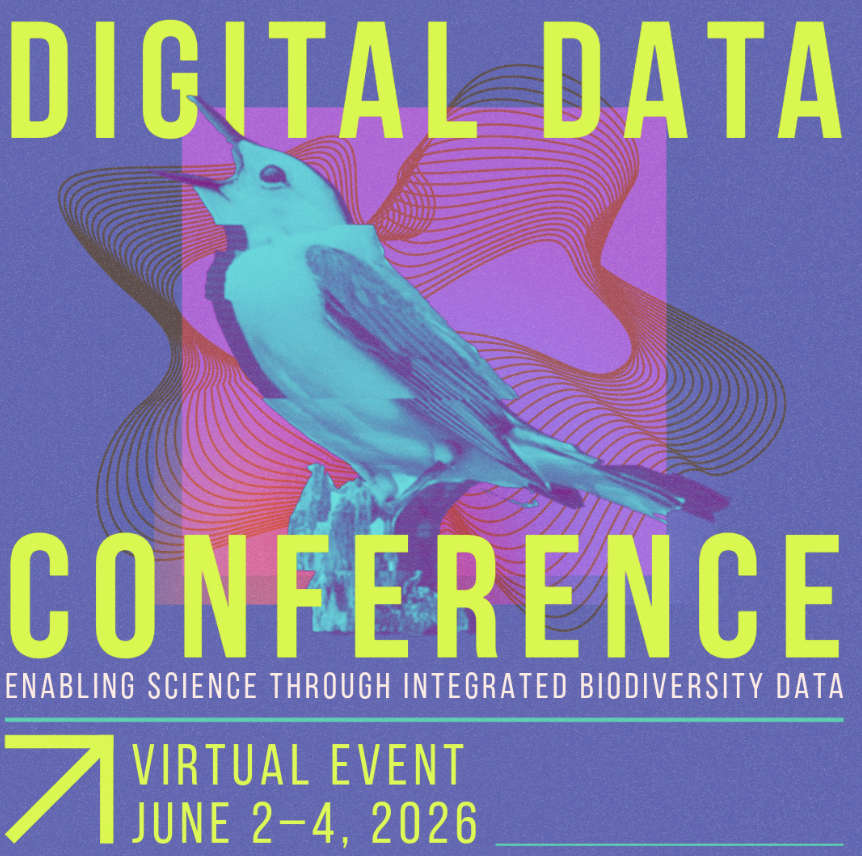
Featured in:IIIF Open Meeting, January 2026Digital Data Conference, University of Florida, May 2026Digital Repository of Ireland, Coffee Hour Series, July 2026Upcoming: MARAC Conference with Kelsey Kiantoro, October 2026
Digital Repository of Ireland
DRI Virtual Coffee Morning · July 29, 2026 · 11:00 AM Ireland Time
YES! Folk Data!
Presented by Jessie McCarty, DAM Librarian, North America.
What We'll Cover
About > DAM tools > Bottlenecks > Folkdata + Uses
My Role
Govern & oversee over 4+ enterprise DAMs across 4 inclusive brands. Asset library for Marketing: Digital Experience, Product, Creative, and Vendors.
- Upload and Catalog e.g. "photoshoots for clients in Adobe AEM + Bynder"
- Steward our Knowledge Base e.g. "Writing and publishing metadata guides"
- Govern e.g. "Maintain taxonomy and Dublin-Core/controlled vocabularies"
Tools & DAMs
Stewarding 4+ DAMs across 5+ brands for enterprise libraries. Searchability, filtering, and accessibility is imperitive. I have worked across:
- Adobe AEM/Folder hierachy
- Bynder/Robust taxonomy
- ResourceSpace/legacy DAM
- AM Quartex/Public exhibitions
- ArchiveSpace/Descriptive cataloging for physcial records
Bottlenecks
Lack of standards creating inconsistency for those needing material. — E.g. inconsistent tagging, inaccurate metadata that doesn't reflect how end-users actually describe assets, gaps between corporate taxonomy and a lived/regional language.
- Too many systems e.g. Users can't rely on a source of truth.
- Inaccurate controlled vocabularies. e.g. No shared language for large collections
- Too much reliance on AI tools. eg. the personhood gets misremembered
Folk Data
Derived from "folksonomies," Folk Data is a critical praxis for building information architecture across repositories, datasets, and digital asset systems (DAM/GLAM). Folk Data is an ever-growing approach to human-centered cataloging, inclusive description, and ethical discovery in our DAM/repositories.
Cited & informed by:
- Thomas Vander Wal — Folksonomy Coinage and Definition, 2004.
- Lourdi, Irene & Papatheodorou, Christos & Nikolaidou, Mara. — A Multi-layer Metadata Schema
for Digital Folklore Collections. J. Information Science. 33. 197-213. 10, 2007.
- Pagowsky N. McElroy K. — Critical Cataloging Handbook, Association of College and Research Libraries, 2026.
- critlib & a movement of library workers dedicated to bringing social justice principles into our work in libraries. http://critlib.org/about/
End-Users
Folk Data begins by asking whose previous lives, ecology, labor, traditions, and languages might be present within a collection.
- Honor lived experience
- Recognize community knowledge
- Center people, motifs, not just records
Voice
Metadata should reflect the unique voices, language, and self-descriptions of the communities connected to the material.
- Use inclusive description
- Preserve culturally specific language
- Avoid flattening identity into generic terms
Context
A dataset is never neutral, nor is an archive ever over. Context helps users understand why an item matters, where it came from, and how it relates to a larger taxonomy.
- Describe relationships between materials
- Preserve provenance and purpose
- Make hidden meaning searchable
Governance
Governance gives metadata practice structure. It creates shared standards while still allowing language and taxonomy to evolve over time.
- Create flexible metadata templates
- Define controlled vocabularies
- Document decisions and exceptions
Ethics
Ethical metadata asks us to consider visibility and harm, representation, access, symbolism, and the long-term consequences of how information is organized.
- Reduce harmful or outdated description
- Make room for correction and revision
- Respect dignity across datasets
Discovery
Metadata is not just schema-making. It is a vital, often the last step to making digital material accessible.
- Repair data gaps
- Conect materials within a taxonomy
- Make communities/regions more visible
an Asset is a Neighbor
In the weeds in a folder-nested collection of digital photos. — e.g. Co-branded, Item-level cataloging of products (Dublin Core), one region (Midwest). Folk Data as a framework only after I had been stuck. Too much hiearchy, metadata felt rigid and stale, limiting discovery.
- Stale, unused tags e.g. Assets were tagged using only corporate terminology
- Saw the house in person e.g. The asset was my neighbor!
- Emotionally connecting with the asset e.g. Cataloging became interactive, purposeful, with language focused on a sense of place and color, emotive.
Metadata Question
What perspectives feel necessary to look beyond categories? How may we view our data holistically?
Summary & Talk Back
When we create taxonomy and metadata schemes that reflect folkloric values, we build a path for future end-users & legacy.
#folkdata #humandata #folksonomies #digitools #frameworks
Thank you! Jessie McCarty,
Digital Repository of Ireland: July 2026 —